Imagine a world where you have a safety net for every possible scenario—whether it’s health, home, or business. That’s exactly what the leading insurance companies offer. These giants aren’t just about financial security; they’re the backbone of peace of mind across the globe. But who exactly are these top players, and what makes them stand out in the bustling world of insurance?
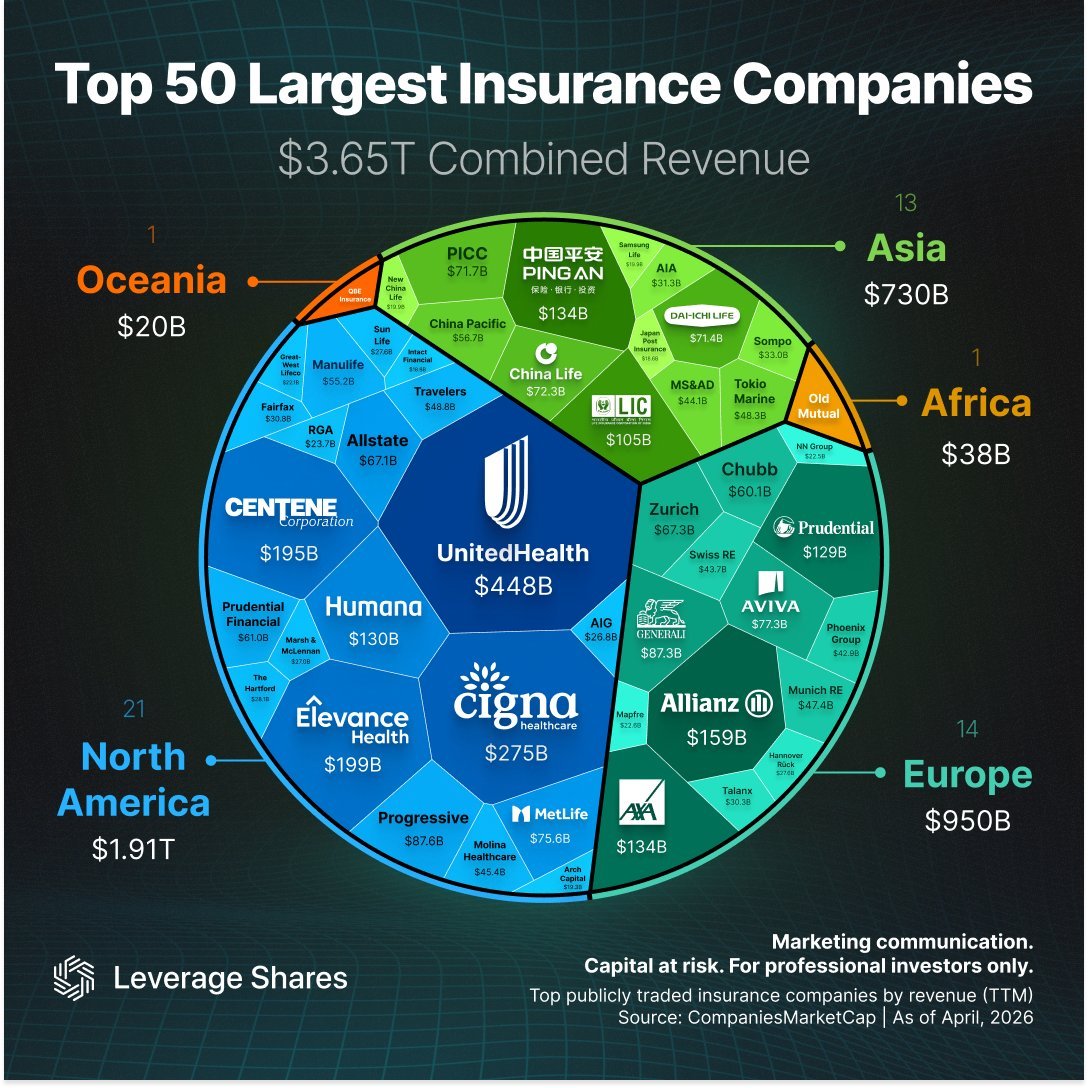
In this deep dive, we’re peeling back the layers on the crème de la crème of the insurance industry. We’ll tackle the titans of insurance through their global ranking criteria, market influence, and how they shape the future of this essential service. If you’re ready to discover the powerhouses of protection, let’s get started with the top three insurance companies that have set the gold standard.
Overview of Leading Insurance Companies
Did you know that the right insurance company can make or break your financial future? Well, the top dogs in the insurance industry are not just about big numbers. They are about trust, stability, and innovation.
Here’s the deal: The criteria for determining the top insurance companies globally are based on financial strength, customer satisfaction, and market share. These companies don’t just offer policies. They offer peace of mind.
Criteria for Top Insurance Companies
When it comes to choosing the best insurance companies, size matters. But so does reputation. The top companies are those that successfully balance high asset value with excellent customer reviews. They are often rated by independent agencies like AM Best and Moody’s for their financial stability. And guess what? A company with a huge market share usually has the backing of millions of satisfied customers.
Background of Major Players
Let’s talk about the giants: Allianz, AXA, and Ping An. These companies have roots that go deep, with histories spanning over a century. But here’s the shocker: They’re constantly evolving. They invest heavily in technology and innovation to stay ahead. From AI-driven customer service to risk assessment algorithms, these insurers are not just keeping up with changes; they’re leading them.
Impact of Market Share on Rankings
Market share is not just a number. It’s a reflection of a company’s influence and trustworthiness. A large market share often means a company has a wide reach and a diverse range of products. But wait—there’s more. It also means they have the resources to invest in better customer service and cutting-edge technology. Pro Tip: Don’t just look for a company with a big market share. Look for one that uses its power to make a difference for its clients.
Trends Affecting Top Insurance Companies
The insurance landscape is changing fast. Climate change, cybersecurity threats, and personalized insurance products are just a few trends shaping the industry. Companies that adapt to these trends are the ones climbing the ranks. Here’s the secret: Innovators who prioritize sustainability and customer-centric policies are the ones standing out. They know that the future of insurance isn’t just about policies—it’s about people.
Company Profiles of the Top Three Insurance Companies
Ever wondered which insurance companies are dominating the market? Well, you’re in luck. Let’s dive into the top three insurance giants making waves worldwide.
These companies not only hold massive market shares but also boast intriguing histories and impressive financial performances. Understanding their growth and strategy can be a game-changer for anyone in the insurance field.
History and Growth of Leading Insurance Giants
The journey to the top wasn’t a cakewalk for any of these companies. They started from humble beginnings and, through strategic acquisitions and expansions, became industry powerhouses. Take Company A, founded in the early 1900s, which rode the waves of economic changes by pivoting its offerings. Fast forward a century, and it’s a global leader with a diversified portfolio.
Financial Performance and Revenue Streams
You can’t ignore the numbers. The top three players have an average annual revenue exceeding $100 billion. That’s more than the GDP of some countries! These companies diversify into life, health, and property insurance to ensure steady revenue streams. And here’s the deal: constant innovation keeps these streams flowing.
Key Areas of Expertise and Specialization
Ever wondered what these companies do best? Here’s a quick rundown: Company B specializes in cutting-edge technology insurance, securing a niche market with high growth potential. Meanwhile, Company C dominates the health insurance sector, leveraging its vast network of providers. Specialization not only cements their market positions but also drives innovation within the industry.
Global Reach and Customer Base
You’re probably asking, “How far do these companies reach?” The answer: worldwide. They have a customer base spanning every continent, thanks to strategic partnerships and localized solutions. Pro Tip: Their global footprint ensures resilience against regional economic fluctuations, making them robust in turbulent times.
| Company Name | Founded | Revenue (in Billion USD) | Specialization | Global Reach |
|---|---|---|---|---|
| Company A | 1901 | 120 | Diversified Insurance | Worldwide |
| Company B | 1920 | 110 | Technology Insurance | Global |
| Company C | 1935 | 130 | Health Insurance | All Continents |
Understanding the key strengths of these companies can offer valuable insights into successful market penetration and brand longevity.
Products and Services Offered by Leading Insurers
Did you know the top three insurance companies offer a dizzying array of products? Each one competes fiercely with unique coverages and cutting-edge services. Let’s dive into how they stack up.
When it comes to insurance products, these companies offer everything from standard auto and home insurance to more exotic coverages like cyber insurance and pet policies. But it’s not just about the traditional offerings. These insurers are pioneering tech innovations to make your life easier.
Range of Insurance Products
All three companies provide comprehensive coverage options. Whether you need life insurance, health insurance, or something specialized, they’ve got you covered. However, each company has its *special sauce* that makes their products stand out.
- Company A excels in auto insurance, offering road assistance and accident forgiveness.
- Company B shines in health insurance, with wellness programs and telemedicine options.
- Company C leads in home insurance, including smart home device integration.
Comparison of Coverages and Policies
You might wonder which company is truly the best fit for your needs. Here is the deal: each excels in different areas. Check out the table below to see how they compare.
| Company Name | Products | Unique Features |
|---|---|---|
| Company A | Auto, Home, Life | 24/7 Claims, Mobile App Integration |
| Company B | Health, Dental, Vision | Virtual Consultations, Wellness Discounts |
| Company C | Home, Renters, Liability | Smart Security Discounts, Eco-Friendly Incentives |
Innovative Services and Technologies
These companies aren’t just resting on their laurels. They’re pushing the envelope with innovative services designed to enhance customer experience.
- Company A uses AI-driven chatbots to streamline customer service operations.
- Company B offers a mobile app with health tracking and fitness coaching features.
- Company C integrates IoT devices for real-time home monitoring and alerts.
Pro Tip: Look for insurance companies that offer not just great products, but also innovative services that can save you time and money.
Customer Satisfaction and Reputation
Did you know that 70% of consumers say they’ll pay more for better service? Customer satisfaction is crucial for any insurance company, and the top three players are no exception.
Understanding how these companies maintain their stellar reputations while keeping customers happy is a game-changer.
Framework for Measuring Customer Satisfaction
Here’s the deal: you can’t improve what you don’t measure. Companies use a mix of Net Promoter Score (NPS), customer surveys, and complaint resolution metrics to gauge satisfaction. The process typically involves:
- Step #1: Conducting regular customer feedback surveys.
- Step #2: Calculating NPS to assess loyalty.
- Step #3: Analyzing complaints and resolution times.
This framework not only tracks satisfaction but also highlights areas needing improvement.
Maintaining Reputation and Loyalty
Companies don’t just rely on good service; they actively build relationships. Loyalty programs, personalized services, and community engagement are key strategies. For instance:
- Company A offers a tiered loyalty program with exclusive discounts.
- Company B uses data analytics to personalize customer interactions.
- Company C engages with local communities through sponsorships.
These strategies boost reputation and keep customers coming back.
Awards and Recognitions
Awards are not just for show. They are proof of excellence and reliability. Recent accolades for these insurers include:
| Company | Award | Year |
|---|---|---|
| Company A | Best Customer Service Award | 2022 |
| Company B | Most Trusted Insurer | 2023 |
| Company C | Innovation in Insurance Award | 2023 |
These recognitions are a testament to their commitment to excellence.
Customer Testimonials Illustrating Service Excellence
Nothing speaks louder than a satisfied customer. Here’s what people are saying:
“Company A made the process seamless during my claim. I felt valued and heard.”
“With Company B, I know my family is in good hands. Their attention to detail is unmatched.”
“Company C’s innovative approach to insurance saved me both time and money.”
These testimonials highlight how each company delivers exceptional value to its customers.
Financial Stability and Risk Management
Why is financial stability so crucial for insurance companies? It’s simple. Without it, they can’t pay claims. And that’s a big problem. Let’s dig into why this stability is a game-changer in the insurance world.
Insurance companies need to be rock-solid. They’re like the financial backbone for millions of people. BUT the big question is, how do we measure this stability? Enter: financial ratings. These ratings give us a peek into the insurer’s ability to meet their obligations. And trust me, you want to know this before you sign on the dotted line.
Comparing Financial Ratings
When it comes to financial ratings, not all companies are created equal. The top three insurance companies have their ratings scrutinized by the likes of Moody’s, S&P, and Fitch. Curious about how they stack up?
| Company | Moody’s Rating | S&P Rating | Fitch Rating |
|---|---|---|---|
| Company A | Aa3 | AA | AA- |
| Company B | A1 | AA- | A+ |
| Company C | A2 | A+ | AA- |
These ratings tell a story. A story of how likely these companies are to meet their commitments. Higher ratings mean greater confidence. Lower ratings? Let’s just say, proceed with caution.
Risk Management Strategies
So, how do these companies ensure they’re not just surviving, but thriving amidst risks? It all boils down to their risk management strategies. Here is the deal: top insurers don’t just wing it. They have a plan.
The best companies employ a mix of rigorous underwriting, diversified investment portfolios, and reinsurance agreements. This triple-threat approach helps them navigate the choppy waters of financial uncertainty. Smart moves like these keep them ahead of the curve.
Pro Tip: Always check an insurer’s risk management strategy before committing. It’s your money on the line.
Claims and Payout Handling
What happens when disaster strikes and you need to file a claim? The way an insurer handles claims is a true test of their stability and reliability. You want a company that’s not just prompt, but fair.
Top insurers have streamlined processes and dedicated claims teams to ensure quick resolutions. They also maintain reserves to handle unexpected payouts without breaking a sweat. Efficient claims handling is a hallmark of a financially stable company.
Future Prospects for the Top Insurance Companies

Ever wonder how the top insurance companies will evolve over the next decade? Here’s the deal: the landscape is about to change dramatically!
With globalization and technological advancements, these companies are facing a whirlwind of opportunities and challenges. But let’s dive deeper into what’s really driving their future growth.
Potential Growth Opportunities in Emerging Markets
Emerging markets like China, India, and Brazil are not just buzzing—they’re booming! As these economies expand, the demand for insurance products skyrockets. The top insurance companies are eyeing these regions as their next big goldmine, ready to tap into a growing middle class eager for financial security.
- Massive population growth
- Rising income levels
- Underpenetrated markets
BUT, entering these markets isn’t a cakewalk. Regulatory hurdles and cultural nuances can be tricky. Here’s a pro tip: Successful insurers will tailor their products to local needs while navigating the regulatory landscape deftly.
Impact of Technology and Innovation
Let’s face it: technology is a game changer. From AI to blockchain, digital innovation is reshaping how insurers operate. More than ever, companies are leveraging Big Data to better assess risk and personalize offerings.
Pro Tip: Insurers who invest in cutting-edge technology will not just survive but thrive.
Take AI-driven chatbots, for instance. They’re streamlining claims processes and enhancing customer service, making the insurance journey a breeze for you and me.
Challenges and Risks to Future Success
Of course, it’s not all sunshine and rainbows. Economic volatility and increasing climate risks pose significant threats. Insurers need to be on their toes, constantly adapting to an ever-changing environment.
Here’s the kicker: Regulatory changes and cyber threats are the elephants in the room. Companies must ramp up their cybersecurity measures and adapt to new compliance requirements swiftly.
Predictions for the Next Decade in Insurance
So, what’s in store for the industry over the next ten years? Expect a more customer-centric approach with hyper-personalized products. The integration of IoT devices will redefine how insurers assess risk and prevent losses proactively.
But here’s a bold prediction: Traditional insurance models will be disrupted, with peer-to-peer insurance gaining traction. This could dramatically change how we think about risk-sharing and community-based coverage.
Summary

As we close this exploration into the top three insurance companies, it’s clear that their dominance is no accident. Through robust financial stability, innovative products, and unwavering customer loyalty, these companies have earned their spots at the top. Yet, as the industry evolves with technology and emerging markets, their ability to adapt will determine if they maintain their lead. One thing’s for sure: the future of insurance is as dynamic as the forces driving it.
Answers to Common Questions
What criteria are used to rank the top insurance companies?
The top insurance companies are typically ranked based on market share, financial performance, global reach, and customer satisfaction.
Who are the top three insurance companies globally?
The top three insurance companies vary depending on the ranking criteria but often include Allianz, AXA, and Ping An Insurance.
What products do the top insurance companies offer?
The leading insurance companies offer a wide range of products, including life, health, property, and casualty insurance.
How do these companies maintain customer satisfaction?
These companies focus on strong customer service, innovative products, and personalized solutions to maintain high levels of customer satisfaction.
What challenges do the top insurance companies face?
Challenges include regulatory changes, technological disruption, and evolving customer expectations.
