Are you a small business owner navigating the murky waters of insurance? If so, you’re in the right place. Understanding and choosing the right insurance can be the lifeline that keeps your business afloat in turbulent times. But let’s face it, insurance isn’t exactly a riveting topic. That’s about to change as we dive into the essentials of small business insurance with the energy and clarity that gets results.
In today’s fast-paced world, safeguarding your business is crucial. Whether you’re a fledgling startup or a seasoned entrepreneur, having the right insurance coverage can make or break your business’s success. It’s not just about ticking a box; it’s about peace of mind and a strategic shield against unforeseen hurdles. Let’s explore the types of small business insurance you simply can’t afford to overlook.
Understanding Small Business Insurance
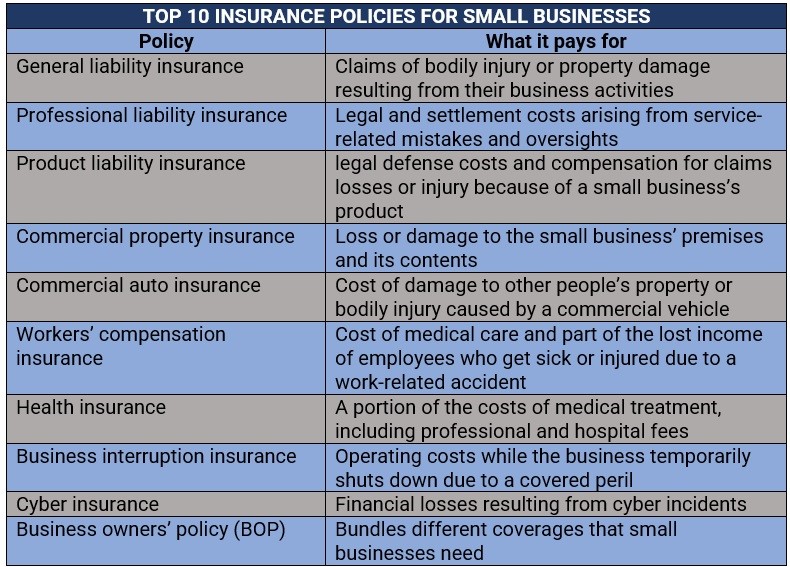
Did you know that 40% of small businesses never reopen after a disaster? Let’s talk about why small business insurance is crucial for your business survival.
Small business insurance is a safety net. It protects you from unexpected financial setbacks like lawsuits, property damage, or even employee injuries. Imagine operating without it—one accident could wipe out your entire savings!
Common Types of Small Business Insurance
You might think insurance is a one-size-fits-all deal. But it’s not. Here are some of the most common types that small businesses need:
- General Liability Insurance: Protects against claims of bodily injury or property damage.
- Property Insurance: Covers your building and the contents within it.
- Workers’ Compensation: Provides for employees who get injured on the job.
Each type serves a unique purpose, and together they create a comprehensive safety net.
Benefits of Obtaining Small Business Insurance
Here’s the deal: insurance isn’t just a good idea—it’s a must. Why? Because it offers peace of mind and financial protection. But that’s not all. It also gives your business credibility. Clients and partners see you as professional when you’re properly insured.
Check this out:
| Benefit | Description |
|---|---|
| Legal Protection | Helps cover legal fees and settlements. |
| Asset Protection | Ensures your property and equipment are covered. |
| Enhanced Reputation | Makes your business more attractive to clients. |
Pro Tip: Tailor your insurance policies to fit your specific business needs. One size doesn’t fit all!
Types of Small Business Insurance

Did you know that 40% of small businesses never reopen after a disaster? Insurance can be your lifeline. Let’s break down the types of small business insurance you absolutely need to consider.
Understanding what coverage to choose for your business can feel overwhelming. But here’s the deal: knowing the right insurance types can protect your assets, employees, and future. Let’s dive into the three most essential types of small business insurance.
General Liability Insurance
This is the must-have insurance if you own a small business. It covers the legal costs and damages from injuries or property damage caused by you or your employees. Think of it as your first line of defense.
Who needs it? Nearly every business. Whether you’re running a bakery or a tech startup, accidents can happen anywhere.
Professional Liability Insurance
Ever worried about making a mistake? This insurance is for professionals that offer services or advice. It covers claims of negligence or mistakes in the services you provide.
Perfect for consultants, accountants, and real estate agents. If a client claims your advice cost them money, this insurance has your back.
Property Insurance
If you have a physical location or significant assets, this is crucial. Property insurance protects your business’s assets from damage due to events like fire, theft, or natural disasters.
Without it, one bad storm could wipe out everything. For businesses with storefronts, warehouses, or expensive equipment, this is non-negotiable.
Comparing Insurance Types
Here’s a quick comparison of these three essential small business insurances:
| Type of Insurance | Coverage Features | Best For |
|---|---|---|
| General Liability | Covers legal costs for property damage and bodily injury claims | All businesses |
| Professional Liability | Protects against negligence and errors in services provided | Service providers |
| Property Insurance | Secures physical assets against damage and loss | Businesses with physical locations |
Pro Tip: Always review your policy details to ensure you have the right coverage!
Choosing the Right Insurance for Your Small Business
Did you know that 40% of small businesses have no insurance at all? That’s a risky move!
Choosing the right insurance is crucial for your business’s survival. But, with so many options, how do you know which insurance is perfect for you?
Key Factors to Consider
When selecting insurance, coverage needs are your top priority. Think about your industry, the number of employees, and potential risks. For instance, if you’re in a high-risk industry like construction, you might need different coverage compared to a low-risk business like consulting.
Next, consider your budget. Insurance can be pricey, but going without it could cost even more. Balance your financials against potential risks to find a sweet spot.
Step-by-Step Method to Assess Needs
Jumping into insurance can be tricky. Here’s a step-by-step method to make it easier:
- Evaluate risks: List all potential risks your business could face.
- Identify essential coverage: Match risks with necessary insurance types (e.g., liability, property).
- Consult with an expert: Insurance brokers can offer insights specific to your industry.
- Review and adjust annually: Your insurance needs can change, so keep it updated.
Pro Tip: “Always compare at least three quotes from different providers.”
Evaluating Insurance Providers
Here’s the deal: not all insurance providers are created equal. Look for a provider with a strong financial rating. A company’s stability ensures they’ll be there when you need them most.
Customer service is crucial. You want a provider who’s responsive and helpful. Check online reviews or ask your network for recommendations.
| Factor | Importance |
|---|---|
| Financial Stability | High |
| Customer Service | Medium |
| Price | Varies |
Remember, the cheapest option isn’t always the best. Focus on value for money and coverage that fits your needs.
Cost Factors and Budgeting for Small Business Insurance
Did you know? Many small businesses underestimate their insurance costs by up to 30%. If you don’t want to be caught off guard, it’s crucial to understand the factors at play.
Here’s the deal: small business insurance isn’t a one-size-fits-all game. There are several factors that can influence your premiums, and knowing these can save you a ton. So, let’s dive into estimating your costs and managing that insurance budget like a pro.
Estimating the Cost of Small Business Insurance
Step #1: Understand Your Industry Risks. Insurance companies assess risk based on the industry you’re in. For example, a construction business will have different risks compared to a digital marketing agency. Higher risks mean higher premiums.
Step #2: Calculate Your Coverage Needs. Figure out what you need to protect: property, liability, or maybe employee health. Each of these plays a role in determining your premium.
Pro Tip: “Use online calculators from reputable insurance providers to get a ballpark estimate, but always consult with an insurance advisor for personalized advice.”
Budgeting and Managing Insurance Expenses
Managing your insurance costs is all about planning and strategy. A good start is to create a detailed budget that includes your expected insurance expenses. This way, you can allocate funds without surprises.
Consider Annual Payments: Many insurers offer discounts for paying the premium annually instead of monthly. It may seem like a bigger upfront cost, but it can save you money in the long run.
Negotiate with your provider. Don’t shy away from negotiating better terms or rates, especially if you’ve been a loyal customer with a clean claim history.
Factors Influencing Insurance Premiums
Several factors can significantly impact your insurance premiums. First up is Business Location. Operating in areas prone to natural disasters or high crime rates can increase your insurance costs.
Next, think about your Claim History. If your business has a history of insurance claims, insurers might see you as a higher risk, leading to higher premiums. Maintaining a clean record helps lower costs.
Finally, consider Coverage Limits. The more coverage you need, the higher your premium. But remember, skimping on coverage to cut costs can backfire if you face a significant claim.
Legal Requirements and Compliance
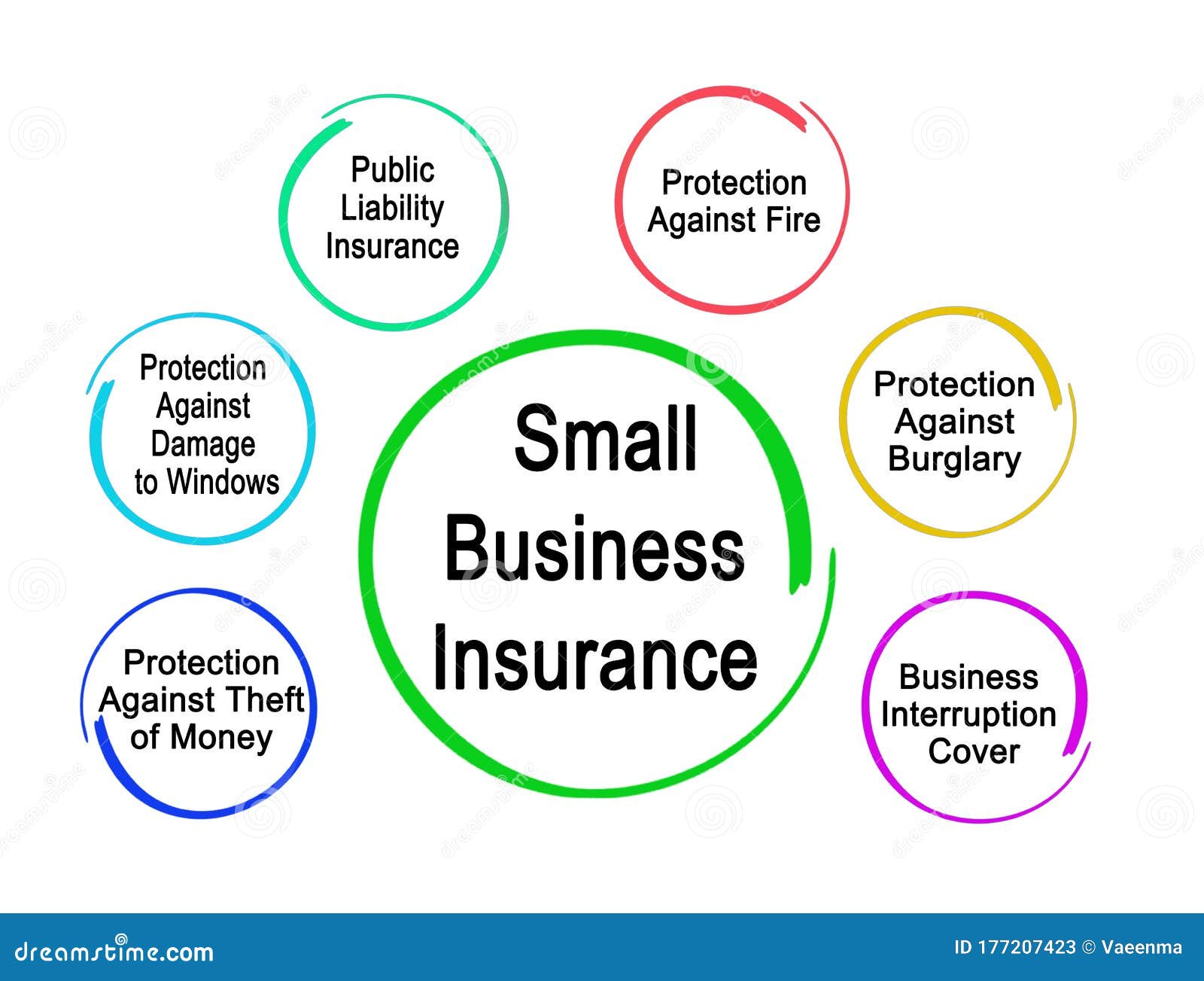
Did you know your small business insurance needs could vary wildly depending on where you’re located? It’s true. Each state has its own set of rules and regulations for business insurance.
Understanding these legal requirements is crucial to avoid penalties and keep your business protected. Let’s dive into what you need to know to ensure you’re compliant.
Understanding State-Specific Insurance Requirements
Every state has unique insurance requirements for businesses. For example, Texas might not require you to have workers’ compensation insurance, but California definitely does. Knowing the specifics of your state is a must.
To stay on the right side of the law, you need to research and understand these differences. Here’s a quick snapshot:
| State | Workers’ Compensation | General Liability | Commercial Auto |
|---|---|---|---|
| California | Required | Recommended | Required |
| Texas | Not Required | Recommended | Required |
| New York | Required | Recommended | Required |
Ensuring Compliance with Insurance Laws
So, how do you make sure your business remains compliant? Start by consulting with a local insurance expert. They can provide insights into the specific requirements in your area.
Don’t forget to regularly review your insurance policies. Laws change, and so should your coverage. Staying updated is key to maintaining compliance.
Pro Tip: Schedule an annual review of your insurance policies to align with any legal updates.
Here is the deal: Compliance isn’t just about avoiding fines. It’s about safeguarding your business from potential risks.
Real-Life Examples and Case Studies
Ever wondered how small business insurance can be a game-changer? Let me show you some real-life examples that might surprise you.
Insurance isn’t just a “nice-to-have”—it’s a lifeline for many small businesses. From unforeseen accidents to natural disasters, the right insurance coverage can mean the difference between closing up shop and thriving. Let’s dive into some stories that illustrate this perfectly.
How a Bakery Survived a Fire
Imagine this: a small bakery, beloved by the local community, nearly went up in flames—literally. The owner had wisely invested in a comprehensive insurance policy that included property damage and business interruption coverage. Thanks to this foresight, they received the funds necessary to rebuild and even boost their business with additional marketing. Within months, they were not just back in business but thriving.
The Florist That Bounced Back After a Lawsuit
For a small florist shop, a customer lawsuit could have spelled disaster. But because the owner had liability insurance, they could cover legal fees and settlements without dipping into their savings. This meant they could focus on running their business stress-free. It’s a classic example of how insurance can protect your hard-earned success.
Testimonials from Small Business Owners
Don’t just take my word for it. Here’s what real business owners have to say:
“I never thought I’d need it, but business insurance saved my company after a flood. Without it, we’d be under water—literally and financially.”
“After a break-in, our insurance not only covered the stolen items but also upgraded our security system. We feel safer and more secure now.”
These testimonials underscore the crucial role insurance plays in safeguarding your business’s future.
Final Summary
As we wrap up this deep dive into small business insurance, remember this: insurance isn’t just an expense; it’s an investment in the sustainability and resilience of your business. With the right coverage, you can focus on growth, innovation, and serving your customers without the looming shadow of risk. Don’t let uncertainty hinder your progress—arm yourself with the knowledge and protection that will empower your business to thrive.
FAQ
What is small business insurance, and why is it important?
Small business insurance is a type of coverage that protects your business from potential risks and financial losses. It’s crucial because it safeguards your assets and provides a safety net, allowing you to focus on growth.
What are the common types of small business insurance?
Common types include general liability insurance, property insurance, and workers’ compensation insurance, each addressing different aspects of risk.
How do I choose the right insurance for my small business?
Consider factors like industry-specific risks, business size, and budget. Assess your needs with a step-by-step approach and compare providers to find the best fit.
What factors influence the cost of small business insurance?
Factors include the industry type, location, number of employees, and coverage limits. Each influences the premium you’ll pay.
Are there legal requirements for small business insurance?
Yes, legal requirements vary by state and industry. It’s essential to understand and comply with local laws to avoid penalties.
