Imagine navigating the high seas without a life jacket. That’s exactly the kind of risk you’re taking when you run a small business without proper insurance. Small business insurance is your safety net, a crucial component in safeguarding your business’s future and ensuring you’re ready for any storm that might come your way.
In the world of small business, risks are as common as a morning cup of coffee. From unexpected lawsuits to sudden natural disasters, the potential threats can be overwhelming. But fear not! With the right insurance policies, you can mitigate these risks and focus on what truly matters: growing your business. Let’s dive into the world of small business insurance and explore how you can protect your entrepreneurial dream with the right coverage.
Overview of Small Business Insurance
Did you know that 40% of small businesses never reopen after a disaster? That’s why having the right insurance is crucial. It’s not just about protection; it’s about survival.
Insurance plays a vital role in risk management for small businesses. Whether it’s a lawsuit, theft, or natural disaster, you can’t afford to let risks jeopardize your business. With the right coverage, you can mitigate potential losses and keep your business running smoothly.
Common Risks and How Insurance Helps
Small businesses face a myriad of risks every day. From property damage to liability claims, the list goes on. For instance, a slip and fall at your premises could cost you thousands in legal fees. But here’s the deal: insurance can cover those unexpected costs, allowing you to focus on growing your business instead of worrying about financial setbacks.
Variety of Insurance Options for Small Businesses
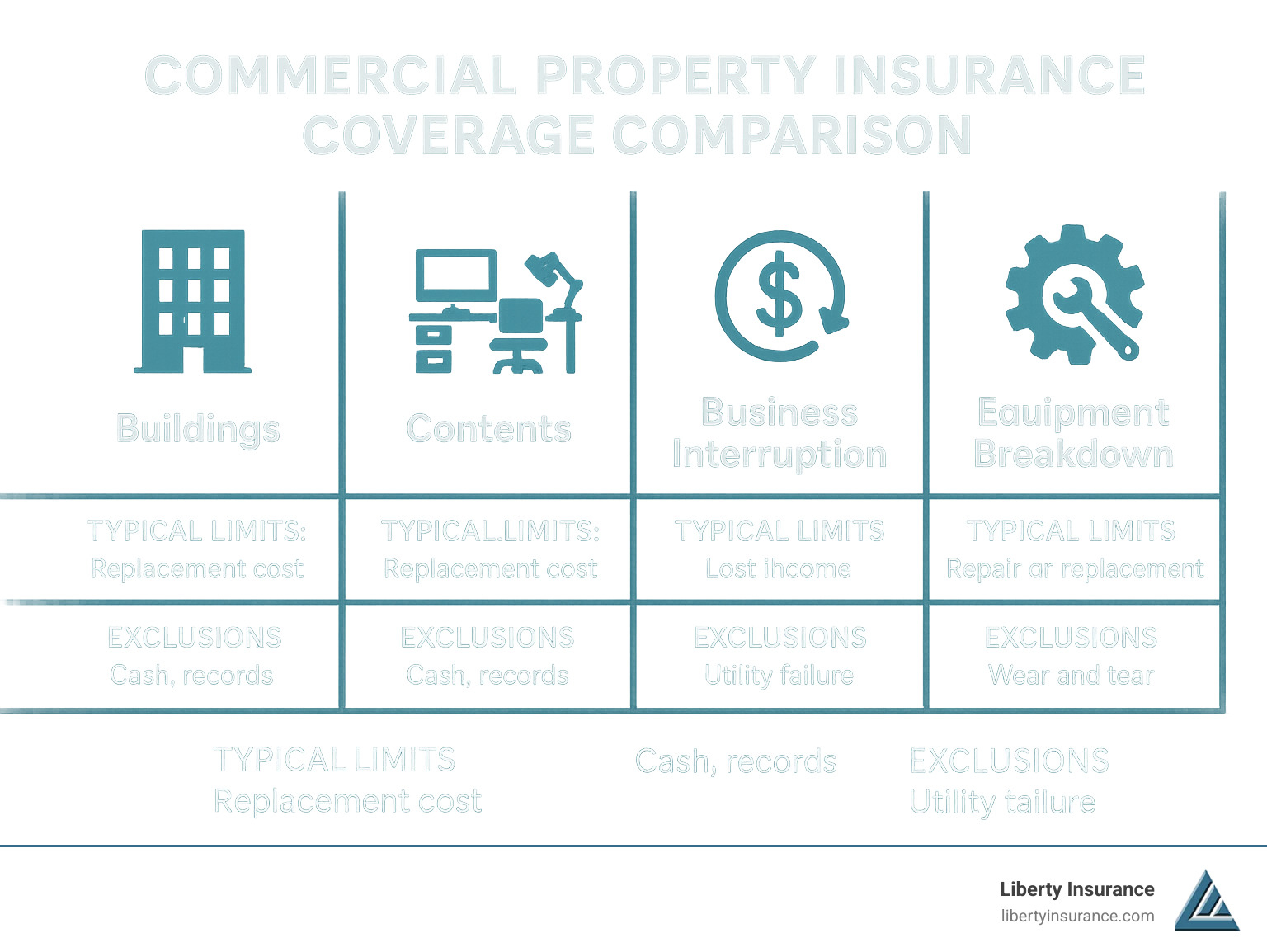
When it comes to insurance, one size doesn’t fit all. There are countless options available, including general liability, property insurance, and workers’ compensation. Each serves a unique purpose. For example, general liability insurance protects against claims of bodily injury. Meanwhile, property insurance covers damage to your business assets. The key is to understand your specific needs and choose the right policies.
Types of Small Business Insurance Policies
Did you know that 75% of small businesses are underinsured? That’s a gamble you can’t afford. But the good news is that there’s a policy for every risk.
Understanding the types of small business insurance policies is crucial to protecting your business. Here is the deal: Each policy serves a unique purpose, catering to different aspects of your operations.
Core Insurance Policies for Small Businesses
| Type | Description | Benefits | Typical Cost |
|---|---|---|---|
| General Liability Insurance | Covers third-party claims for bodily injury and property damage. | Protects against lawsuits, settlement costs, and legal defense. | $500 – $1,500 annually |
| Professional Liability Insurance | Also known as Errors and Omissions, it covers claims of negligence in professional services. | Safeguards against mistakes and oversights in service delivery. | $750 – $2,000 annually |
| Property Insurance | Covers damages to your business property from events like fire and theft. | Ensures business continuity by reimbursing repair and recovery costs. | $1,000 – $3,000 annually |
| Workers’ Compensation Insurance | Provides medical and wage benefits to employees injured on the job. | Mandatory in most states, it helps with legal compliance and employee protection. | Depends on the size of payroll and industry risk |
| Cyber Liability Insurance | Protects against data breaches and cyberattacks. | Mitigates financial losses from cyber incidents and data theft. | $1,000 – $7,500 annually |
Coverage Details and Key Differences
General Liability Insurance is the bread and butter for most small businesses. It covers the basics: bodily injury, property damage, and even advertising injuries. This is your frontline defense against common claims.
On the flip side, Professional Liability Insurance is all about service-based risks. If you’re offering expertise, this ensures you’re covered for any professional mistakes. Think of it as a safety net for your reputation.
Pro Tip: Combine General and Professional Liability for comprehensive protection!
While both policies can save you from financial ruin, they tackle different threats. General Liability is about physical mishaps and advertising blunders. Professional Liability zeroes in on service-related errors.
Factors Affecting Insurance Costs
Did you know that the average cost of small business insurance can vary by up to 70%? That’s a huge difference! But what exactly causes these fluctuations?
Insurance premiums for small businesses aren’t just random numbers. They’re influenced by several key factors, and by understanding these, you can potentially save big on your insurance costs.
Impact of Business Size, Industry, and Location
When it comes to business size, larger businesses often face higher premiums. More employees mean more risk exposure. But you can manage this by ensuring excellent workplace safety practices.
The industry you’re in also plays a significant role. For example, construction businesses typically pay more than tech startups due to the higher risk involved. Here is the deal: if you’re in a high-risk industry, invest in safety training and certifications. This can lower your premiums over time.
Location, location, location! Believe it or not, where your business operates can affect your insurance costs. High-crime areas or regions prone to natural disasters will likely hike up your premiums.
Methods to Reduce Insurance Costs
You might be wondering: how can you keep costs low without cutting corners on coverage? Start by bundling policies. Insurers often offer discounts when you combine different types of insurance.
Another strategy is to increase your deductible. Yes, you’ll pay more out of pocket in the event of a claim. But, this can significantly lower your premium.
Pro Tip: Regularly review your policies and shop around. Don’t stick with the same provider year after year. You might find better deals elsewhere!
Selecting the Right Insurance Provider

Did you know that not all insurance providers are created equal? Choosing the right one can make or break your small business operations.
Here is the deal: you need to evaluate providers based on a set of clear criteria that goes beyond just the cost of premiums. Let’s break it down into simple, actionable steps.
Evaluating Insurance Providers
The first step is to look at the provider’s reputation and experience in the industry. A provider with a strong track record and positive reviews from other small business owners is a good sign. It’s not just about finding the cheapest option; it’s about finding a partner you can trust.
- Research the provider’s history and reputation.
- Read customer reviews and testimonials.
- Check their financial stability ratings.
Step-by-Step Procedure for Comparing Providers
Once you have a shortlist of potential providers, it’s time to compare them side by side. This isn’t just about numbers; it’s about finding the best fit for your specific needs.
- List all the services each provider offers. Ensure they provide the specific coverage your business requires.
- Consider the premium costs but weigh them against the coverage limits and deductibles.
- Evaluate any additional services or perks like risk assessment consultations.
| Provider | Coverage Options | Premium Cost | Additional Services |
|---|---|---|---|
| Provider A | Comprehensive, Liability, Property | $$ | Free Risk Assessment |
| Provider B | Liability, Workers’ Comp | $ | 24/7 Customer Support |
Importance of Customer Service and Claim Response Times
Here’s what often gets overlooked: customer service and claim response times. When disaster strikes, you want an insurer who responds quickly and effectively.
Good customer service can save you time and stress, while swift claim responses can mean the difference between a minor hiccup and a business-ending disaster.
Pro Tip: Always ask potential providers about their average claim response times and how they handle disputes.
Common Insurance Claims for Small Businesses

Did you know that 40% of small businesses will file an insurance claim in the next decade? That stat may surprise you, but it’s a reality that many entrepreneurs face. Understanding the most common types of claims can help you prepare and protect your business.
From property damage to liability issues, small businesses encounter a range of challenges that lead to insurance claims. Knowing the process of filing these claims and the required documentation can save you time and stress when incidents occur.
Top Insurance Claims Small Businesses File
Let’s dive into the most frequent insurance claims that small businesses encounter. This knowledge is your first line of defense.
- Burglary and Theft
- Water and Freezing Damage
- Wind and Hail Damage
- Fire Damage
- Customer Slips and Falls
Each of these incidents can have a significant impact on your business operations and financial health.
How to File an Insurance Claim
Filing an insurance claim can be daunting. But here’s the deal: it doesn’t have to be. Follow these steps to ensure a smooth process.
- Document Everything: Take pictures, collect receipts, and note down all the details related to the incident.
- Contact Your Insurer: Report the claim as soon as possible. The faster you act, the quicker the resolution.
- Submit Required Documentation: Provide all necessary paperwork to support your claim. Missing documents can delay the process.
- Follow Up: Stay in regular contact with your insurance adjuster to keep the process moving.
Pro Tip: Always keep a digital backup of important documents. This can save you valuable time during the claims process.
Preventing Common Incidents Leading to Claims
Prevention is better than cure. Here’s how you can shield your business from common risks.
- Install security systems to deter theft.
- Regularly inspect plumbing to prevent water damage.
- Invest in quality roofing to withstand wind and hail.
- Implement fire safety measures and conduct regular drills.
- Ensure clear and safe walkways for customers.
Implementing these strategies can significantly reduce the likelihood of costly insurance claims.
Future Trends in Small Business Insurance
The world of small business insurance is evolving faster than ever. Are you ready to keep up with the changes?
As technology advances, so do the options and complexities of small business insurance. New trends are emerging that could affect how you protect your business. Let’s dive into what’s on the horizon.
Emerging Trends in the Insurance Landscape
Globalization and digital transformation are creating a seismic shift in the insurance industry. Telematics and big data are now driving personalized policy options. This means your insurance can be tailored more specifically to your business needs. BUT, it also means keeping up with the latest tech developments to stay competitive.
The Role of Technology in Insurance
Technology is not just for tech companies anymore. It’s reshaping how insurers interact with you. Chatbots, AI-driven analytics, and mobile apps mean faster claims processing and more transparency. Consider this: businesses using AI-driven insurance tools are seeing claims processed 30% faster than traditional methods.
Pro Tip: Embrace these technologies early to streamline your insurance processes and gain a competitive edge.
Impact of Legislation on Coverage
Legislation is also playing a big role in shaping small business insurance. New laws around data protection and cybersecurity are impacting coverage types. As privacy concerns grow, so do the requirements for compliance. Keep an eye out for changes in legislation that could affect your coverage options.
Here’s the deal: staying informed about these legal changes isn’t just smart—it’s necessary. Ignoring them could mean non-compliance and hefty fines.
Summary
As you chart the course for your small business’s future, ensure your insurance policies are up-to-date and tailored to your specific needs. The landscape of small business insurance is ever-evolving, with new trends and technologies continuously reshaping the way coverage is provided. Staying informed and proactive is your best defense against potential risks. Remember, a robust insurance plan isn’t just a safety net; it’s your ticket to peace of mind and enduring success on the entrepreneurial journey.
FAQ Section
What are the three main types of small business insurance?
The three main types are general liability insurance, professional liability insurance, and property insurance. Each serves different needs to protect your business from various risks.
How does general liability insurance differ from professional liability insurance?
General liability insurance covers physical damage or injuries caused by your business, while professional liability insurance protects against claims of negligence or errors in the services you provide.
What factors influence the cost of small business insurance?
Factors include the size of your business, the industry you operate in, your location, and the specific risks associated with your business activities.
How can a small business reduce its insurance costs?
Consider bundling policies, increasing deductibles, managing risks effectively, and maintaining a good claims history to lower insurance premiums.
Why is selecting the right insurance provider important?
A reliable provider offers comprehensive coverage, excellent customer service, quick claim responses, and competitive pricing, ensuring your business is well-protected.
